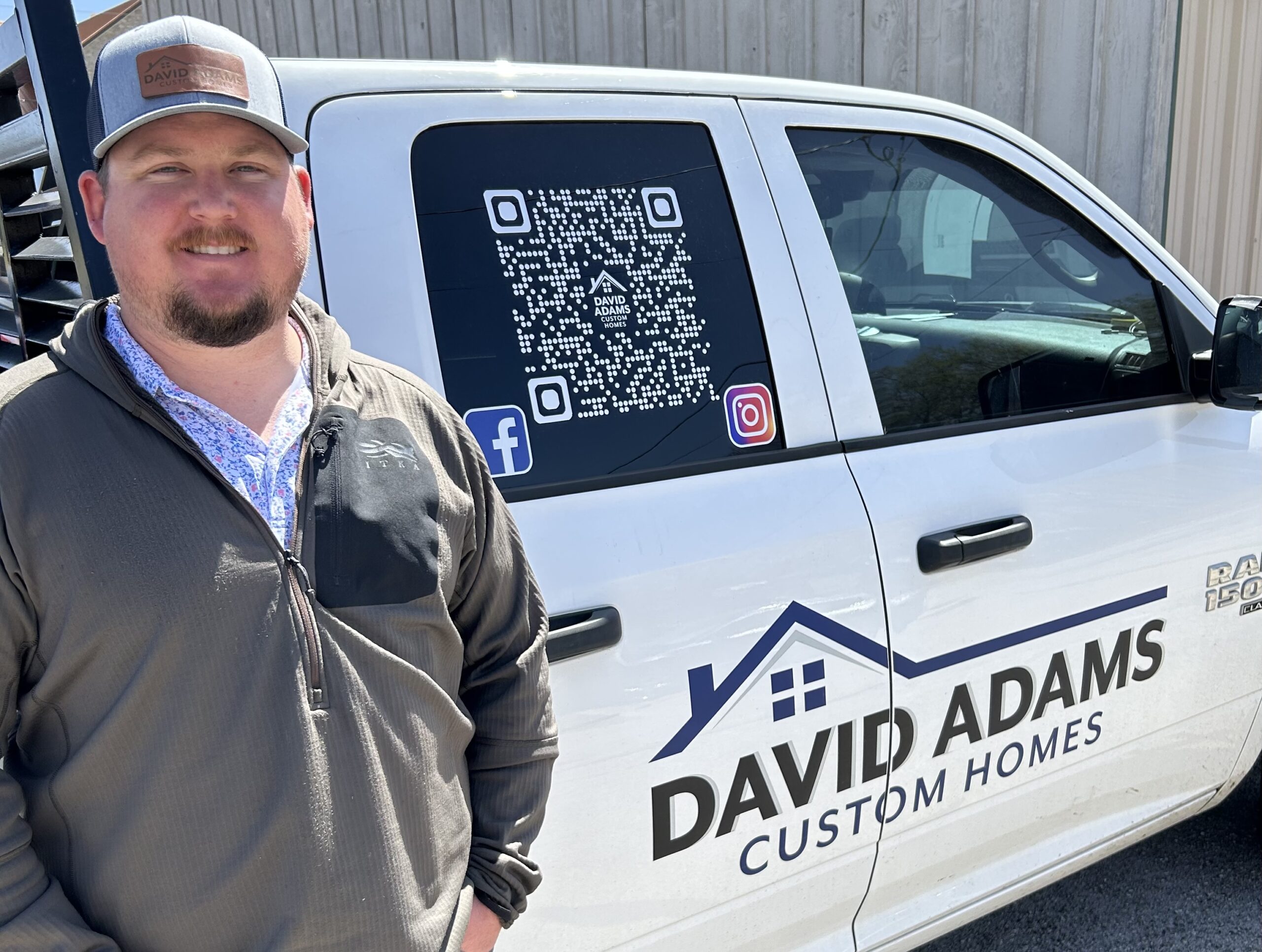
When it comes time to purchase a home, many people focus on tract homes. They never stop to consider investing in a custom home and may come to regret overlooking this option. Each type of home comes with benefits and drawbacks that a buyer should know of before proceeding.
Potential buyers should consider their priorities, budget, and timeline when deciding between a custom and a tract home. They also need to evaluate their lifestyle to find a home that meets their needs. Doing so will allow them to make an informed decision and purchase a home that is ideal for them in every way. How does a tract house differ from a house custom-built from stock plans?
Custom Vs. Tract Home
Before proceeding, the individual must understand what a custom home is and how it differs from a tract home. Custom homes are built to the buyer’s specifications. The buyer determines every detail of the home, from the floor plan to the finishes used, ensuring the home is everything they dream of. They can make the home energy-efficient in every way or choose smart-home devices to simplify their lives. Custom homes typically have long-term value and appreciate faster than tract homes.
Nevertheless, the buyer must be prepared to be extremely involved in the construction process, as there will always be decisions they need to make. They must remain in constant contact with the selected luxury home builders to ensure a smooth and efficient project. Building a custom home takes significantly longer than building a tract home, and the cost will be higher. However, the long-term return on investment is also higher.
A tract or production home is a mass-produced residence constructed by a large-scale developer. These homes are built using standardized floor plans, and buyers can customize them only to a limited extent. Tract homes take less time to build and cost less, but many people find they aren’t completely satisfied when they move in. They immediately see that changes need to be made to make these houses their dream homes. The materials used in these homes are standardized and often of low quality.
Nevertheless, there are benefits associated with moving into a tract home. There is a shorter timeline for moving into the residence, and the cost tends to be lower. Furthermore, these homes are often found in communities with pre-planned amenities, such as a clubhouse or pool. Buyers often find, however, that these homes depreciate quickly in communities that are oversaturated with tract homes.
True Cost Analysis
To determine which option is best, a buyer should conduct a true cost analysis. During this analysis, the buyer needs to consider the purchase price and the build cost. They must evaluate the long-term value of each option and the resale value. Furthermore, energy efficiency should be part of the calculation during this true cost analysis.
Initial Cost
Tract homes cost less because builders benefit from buying materials in bulk. They also construct the homes using standardized plans, which helps keep costs down. The builders pass the savings on to buyers, making homes more affordable. Buyers appreciate the predictable pricing seen with tract homes. However, they may find they need to spend money to upgrade certain parts of the home once they move in to make it fit their lifestyle.
Custom homes come with a higher price tag, as each residence is unique. The buyer pays for architectural plans, permits, and specialized labor, thereby increasing the project’s cost. The design complexity and selected materials affect the price, and the buyer must either own or purchase a lot, both of which add to the overall project cost. A lot in a highly desirable area can be a significant expense. Learning how much the project will cost may deter some buyers, which is why other factors, such as long-term value, must be part of the equation.
Long-Term and Resale Value
Buyers who look beyond the initial purchase price typically find that custom homes offer better long-term value. They choose every element of the home to reflect their personality and values while meeting their needs. Custom home builders use superior materials and employ skilled craftsmen to ensure the home will stand the test of time. These individuals pay close attention to detail and ensure the work is done properly the first time.
Furthermore, custom home buyers find they have control over the location. They may choose to build in a secluded area, which will help attract homebuyers in the future who are concerned about privacy, or opt to build in a prime development area, allowing the home to appreciate as more homes and businesses are built.
Tract homes offer long-term value but for different reasons. There will always be people looking for a move-in-ready home, so the demand may come and go, but a homeowner should find that the residence sells easily during robust economic periods.
Unfortunately, these homes lack the charm of custom residences and may feature lower-quality materials. A homeowner might find they need to make upgrades to get the desired selling price when they decide to relocate to a new residence. Many people also don’t want to move to a community where every home looks the same, as they want a home that is as unique as they are. When the real estate market is flooded with similar homes, a homeowner might find they don’t make as much off the sale of the property as they would if selling a custom home.
Energy Efficiency
Tract home builders construct residences that appeal to a wide range of homebuyers. They may not prioritize energy efficiency unless the community they are building is designed to attract people concerned about the environment. As a result, a person might spend less when purchasing a tract home only to discover they pay more each month in energy bills.
With a custom home, the buyer determines the level of energy efficiency they desire. They work with the builder to ensure the home meets their expectations in this area. When working with the architect and builder, the buyer determines the desired level of insulation and whether the home will operate using renewable energy. The parties work together to ensure the home is air-tight and features water-conservation measures. Furthermore, custom home buyers typically want smart home technology to optimize their energy management. These features aren’t found in most tract homes today, unless a previous owner has opted to make upgrades.
Common Myths About Custom Homes
Many myths and misconceptions persist regarding custom homes. It’s time to dispel them once and for all so people can make informed choices regarding whether a custom or tract home is best for their needs. The following are a few of these myths and misconceptions.
A custom home doesn’t have to cost more than a tract home. The buyer retains complete control over the materials and design, allowing them to work with the architect and contractor to design and build a home they love that meets their needs perfectly. Furthermore, they won’t end up with features they don’t want or need.
While a person can’t purchase a custom home and move in within a few weeks, the entire process often doesn’t take as long to complete as people imagine. With the right team and limited change orders, the process can typically be completed in about a year. This timeline includes everything from deciding to build a custom home to moving in. Furthermore, there is no need to remodel anything in the home. Remodeling projects can delay moving in, or the family must put up with the noise and mess that come with them.
The custom home buyer sets the budget, and the architect and builder remain within that framework. A beautiful home can be built on a modest budget if the buyer prioritizes what matters most to them. Working with an experienced home builder and architect is beneficial, as they work with buyers to help them get as much as possible for the money they have to spend.
A custom home doesn’t need to be huge or extravagant. A person might choose to build a tiny custom home. Many custom homes are under 2,000 square feet and perfectly meet the owner’s needs. The architect and builder help the buyer maximize the space they have.
People may be hesitant to build a custom home because they feel the process is too complex. Working with an experienced team makes the process easier, as they guide buyers through each stage. This team often helps with everything from finding land to decorating the home when the build is complete.
Financing a custom home is possible, though many people believe they must pay for it up front. A construction-to-permanent loan is used for a house under construction. The funds for the home are provided in stages. When the home is complete and the homeowner moves in, the loan converts to a traditional mortgage. The buyer will need to complete more paperwork, but working with a lender specializing in these types of loans can ease the process.
Custom homes are personalized to meet the buyer’s needs while retaining resale value. The architect and builder help the buyer find a design that matches their personal style while having timeless appeal. With a thoughtful layout and the character of a custom home, the house will retain its value and appreciate over time.
People may be unsure of which option to choose. Most first-time homebuyers purchase tract homes only to find they must remodel or upgrade to have the houses they love. Custom homes are ideal for people who are tired of spending money on renovations and remodeling, as these projects can drag on and be costly. A custom home ensures the resident fits the owner’s needs perfectly and at an affordable price. Learn more today to see if a custom home is right for you. Many people will find these homes are just what they want and need.